Charging, cleaning and keeping a bot running
Almost every one of these robot toys for kids that stopped on our bench wanted one of three things: a cell, a wipe or a pair of tweezers.
- Charge before the first run, not after
- A slowing nano is a flat cell
- Wipe the belly, wipe the wall
- Hair is the enemy of legs
- Store them charged and dry
- Which HEX BOTS robot toys charge, and which do not
- What a flat cell looks like from the floor
Charge before the first run, not after
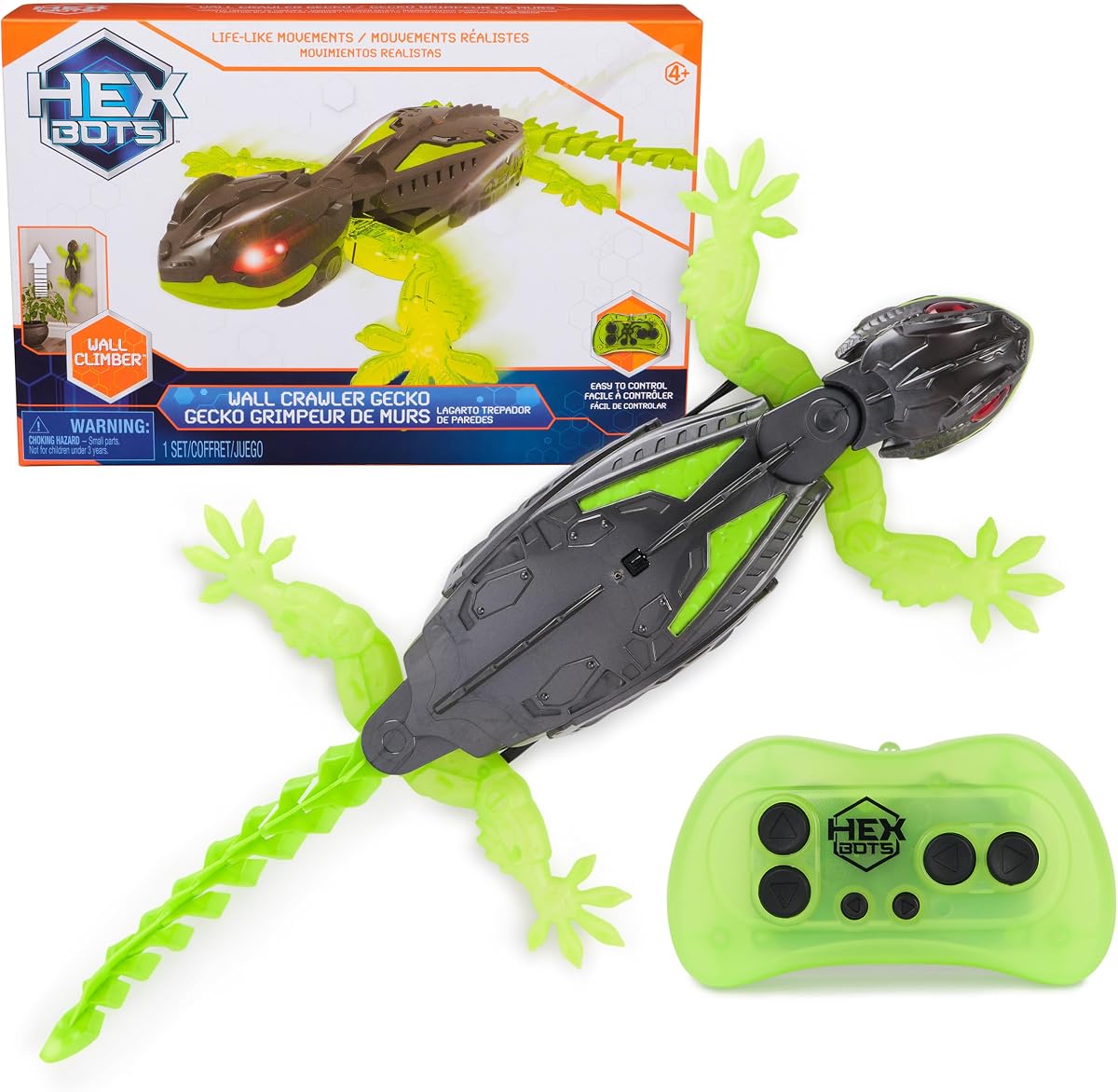
Rechargeable creatures and wall crawlers arrive part-charged at best. Put the supplied USB cable in before anyone opens the remote, because a half-charged gecko that drops off a wall on its first climb gives a bad first impression of a bot that is fine. A full charge takes well under an hour and buys a long evening.
A slowing nano is a flat cell
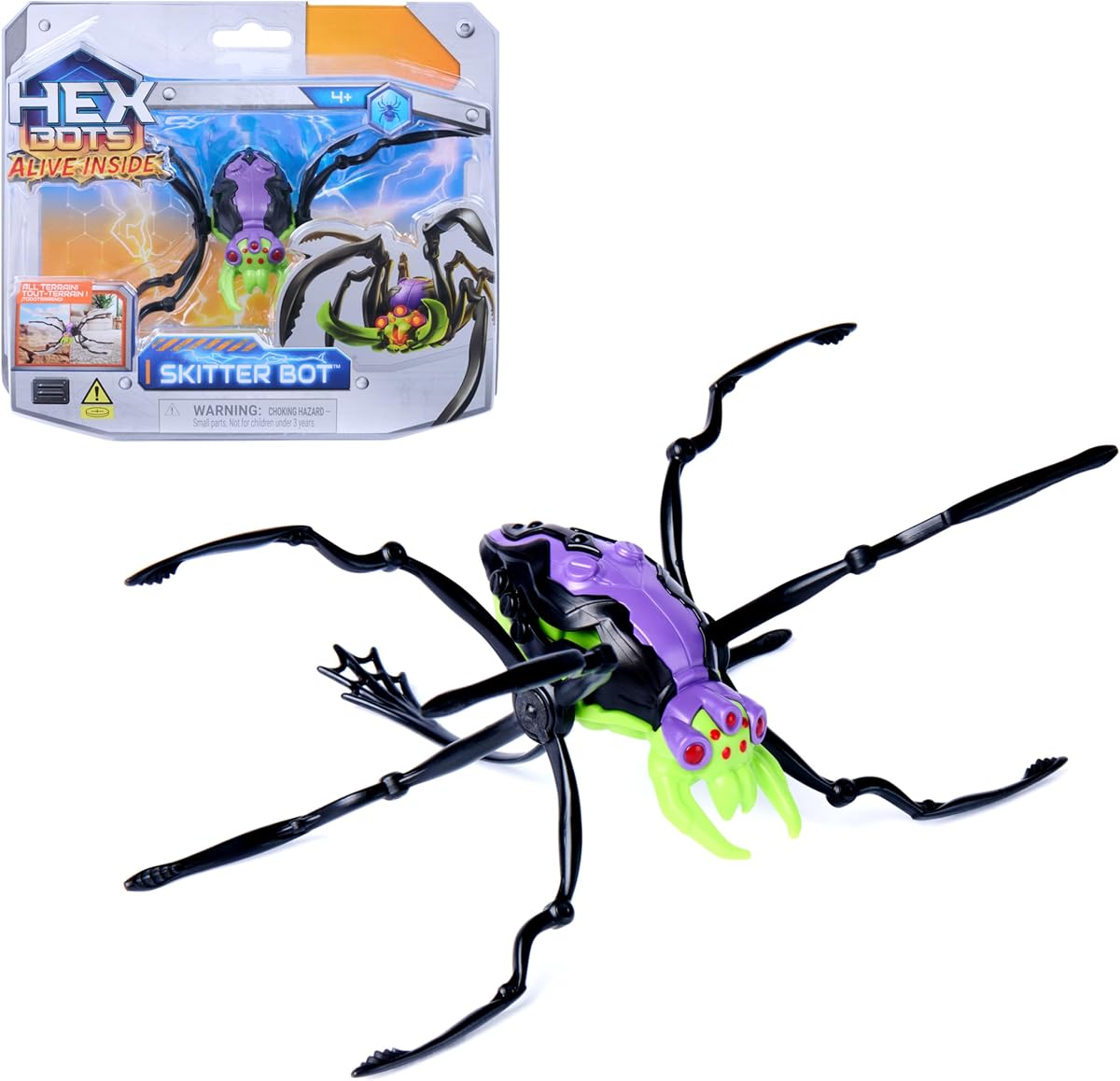
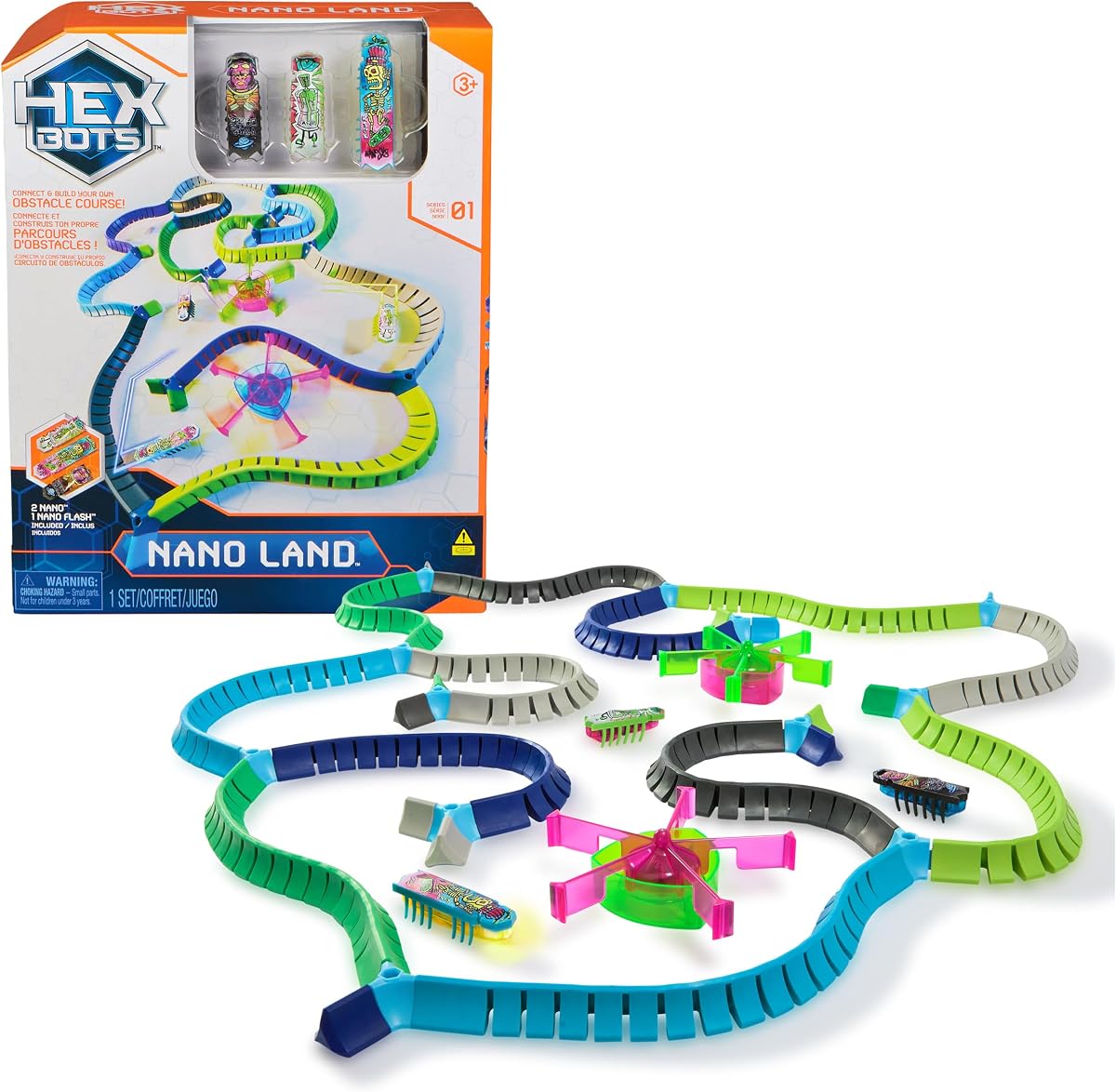
Nano bots and skitter bots do not fade gracefully; they get lazy, wander instead of scurrying, and then stop. That is the LR44 cell, every time. Undo the belly screw or pop the cover, swap the stack the same way round, and the bot is back at full speed. Keep spares in the launcher case and you will never lose a race to a dead bot.
Wipe the belly, wipe the wall
A wall crawler holds a seal, and a seal hates dust. If the gecko starts sliding on a wall it has climbed before, the belly has picked something up. A damp cloth on the suction pad and a quick pass over the wall itself restores the grip almost every time — it is far more often the surface than the bot.
Hair is the enemy of legs
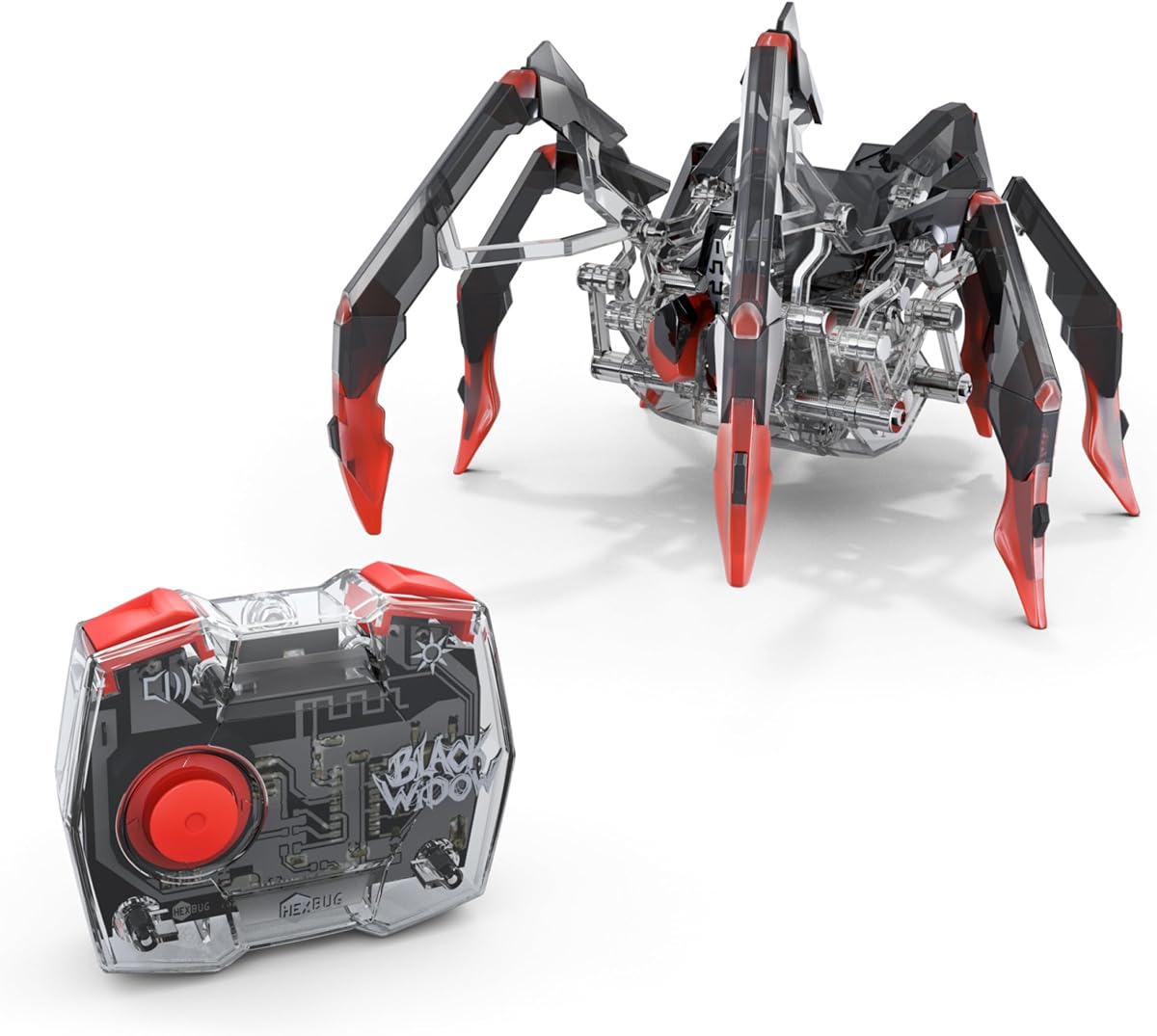
Anything with jointed legs will collect hair, carpet fluff and pet fur around the hinges, and a bot that walks in a tight circle usually has one leg wrapped. Tweezers and thirty seconds fix it. We check the legs of every creature on the bench between runs for exactly this reason.
Store them charged and dry
Lithium cells prefer not to sit flat for months, so give a creature a charge before it goes into a cupboard for the winter. Nanos want the opposite: if one is going away for a long time, take the cell out. None of these are waterproof — a kitchen floor is fine, a wet patio is not, and a bath only counts as an arena when it is empty.
Which HEX BOTS robot toys charge, and which do not
Only the big robot creatures and the wall crawlers charge. Nano bots run on button cells, and the playsets have no electronics in them at all, so there is nothing to plug in. Kids learn the difference fast: if the toy came with a cable it charges, if it came with a tiny screwdriver it takes cells.
The design makes this easy — every battery door on the bench takes the same screwdriver. None of this is educational and none of it is complicated, but age matters here: under six, an adult should be the one with control of the door and the cells.
What a flat cell looks like from the floor
A bot with a flat cell does not stop dead, it slows. The movement goes lazy, the legs stop making the dry rattle they make at full speed, and a wall crawler starts sliding down painted walls instead of climbing them. On the flashing nanos the lights dim before the legs do. Kids notice before adults do, usually by complaining that the chase has stopped being fun.
The whole experience of these robot toys is the first thirty seconds after the switch, so keep the cells fresh and the actions stay the ones that came out of the box. Children stay engaged with a bot that still works; the fastest way to end the play is a dead cell on a wet afternoon with friends in the house.